Even a developer with six years of practical engineering experience can find it challenging to describe an architectural decision when interviewed. Someone who has delivered successful marketing projects may still struggle to recall the relevant figures under interview pressure.
These examples do not necessarily reflect a shortage of professional competence. Interviews require candidates to draw on their knowledge, arrange their reasoning, interpret unfamiliar questions, and communicate clearly under pressure.
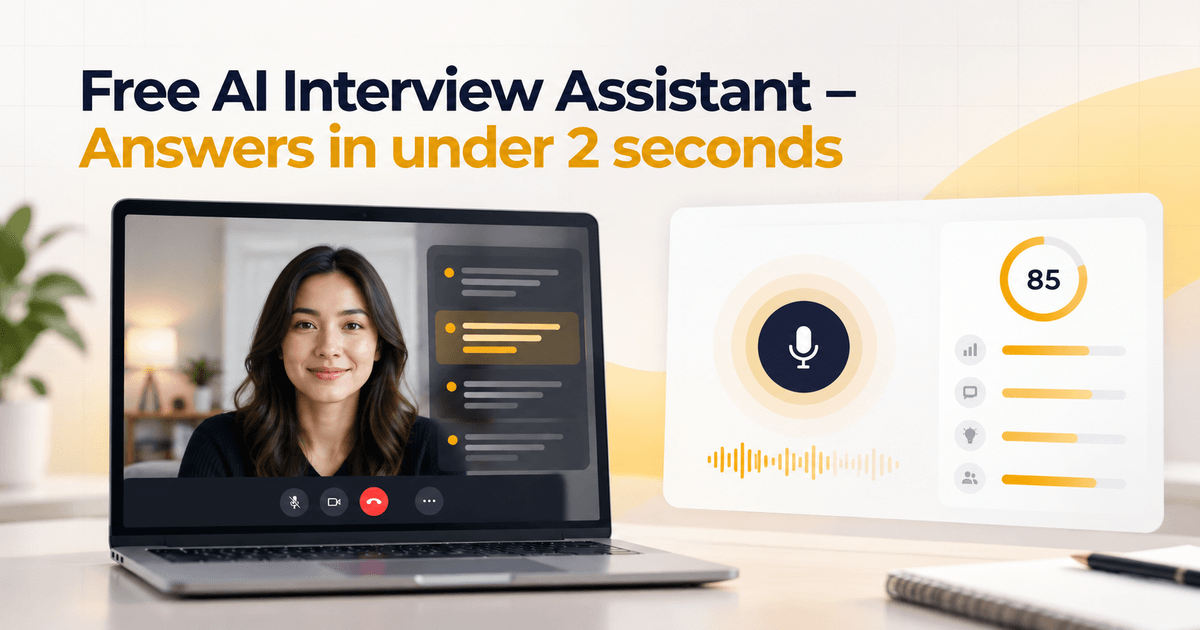
Artificial intelligence is creating additional opportunities to practice these skills. Through preparation tailored to the candidate, simulated interviews, and live response suggestions, Interview Pilot aims to help job seekers feel more confident in professional interviews.
Create a Personal Reference Library of Career Experiences
Many candidates prepare in the conventional way by collecting typical interview prompts and learning sample answers by heart. Such stock responses seldom communicate the individual details of a person’s real work history.
Take a familiar hiring question: “Tell me about a time you managed a difficult project.” Starting confidently is useful, but the answer needs meaningful detail. It should explain the situation, the candidate’s responsibilities, the decisions they made, and the eventual outcome.
Interview Pilot uses information from a candidate’s professional resume, target position, and prospective employer to generate more relevant suggestions.
An AI interview assistant can help users identify experiences worth discussing, organize supporting details, and recognize gaps in their explanations. The next step is to rehearse an accurate account using their own way of speaking.
Technical Knowledge Needs Clarity in Conversation
Technical interviews evaluate more than knowledge of programming languages, software platforms, or engineering concepts. Hiring teams often examine the candidate’s problem-solving process and compares possible solutions.
For example, a developer discussing database performance might need to explain why indexing improved query speed, what trade-offs were involved, and how the improvement was measured.
Candidates using Interview Pilot can receive suggestions for questions assessing technical knowledge as well as behavioral questions. Its interview copilot functionality processes spoken questions and generates contextually relevant responses.
A suggested response is useful only insofar as the candidate also understands the reasoning behind it. Applicants need to be able to justify their technical choices without assistance, especially if an interviewer changes the initial scenario or asks follow-up questions.
Practice Answering in a Conversational Setting
Reading interview questions silently is quite different from answering them aloud. Answering aloud can reveal lengthy introductory remarks, confusing explanations, and needless jargon that may go unnoticed during written preparation.
Interview Pilot includes AI mock interviews and an interview question bank, allowing users to prepare before meeting a recruiter or hiring manager.
A useful preparation method involves answering the same question several times with varying amounts of detail. The same experience could be explained in a thirty-second response during a screening interview and in greater depth during a technical discussion. This flexibility helps conversations feel more natural and more responsive to the interviewer’s interests.
Consider Professional Integrity Before Using Live AI
Tools offering real-time interview answers introduce additional considerations around ethical professional conduct and employer expectations. Employers differ in their assessment policies: some allow AI tools, whereas others expect applicants to show their skills on their own.
Before using a copilot for interview preparation or live support in a real interview, candidates should establish what assistance the employer allows. Candidates should also consider requirements concerning consent and confidentiality when software processes interview conversations. Suggestions from AI should help applicants express authentic knowledge rather than serve as a substitute for qualifications or make up professional experiences.
Preparation That Fits Alongside Daily Responsibilities
Preparing for an interview often means finding time amid employment commitments, commuting, and responsibilities outside work. Accessibility across devices can make ongoing preparation easier.
Interview Pilot is available on Mac, Windows, iPhone, Android, and through a web version. Interview Pilot states that more than one million people worldwide use its service, which includes a free plan with a weekly AI usage allowance and paid subscriptions for unlimited usage.
Ultimately, effective interview preparation isn’t about memorizing perfect sentences. What matters is developing confidence in talking about your knowledge, demonstrating your thought process, and articulating your potential value to an employer.
Used thoughtfully, Interview Pilot can support that process while keeping the candidate’s own experience, judgment, and communication skills at the center of the conversation.