A tortilla can look quite simple on the plate. It’s slim, easy to fold, and usually disappears beneath the wrap filling. The tortilla itself may be understated, but selecting one with a distinct nutritional profile can make a difference.
If you are looking at tortilla calories, the lowest number alone does not tell the whole story. The better question is how well a tortilla fits your dietary needs, preferred texture, and everyday recipes.
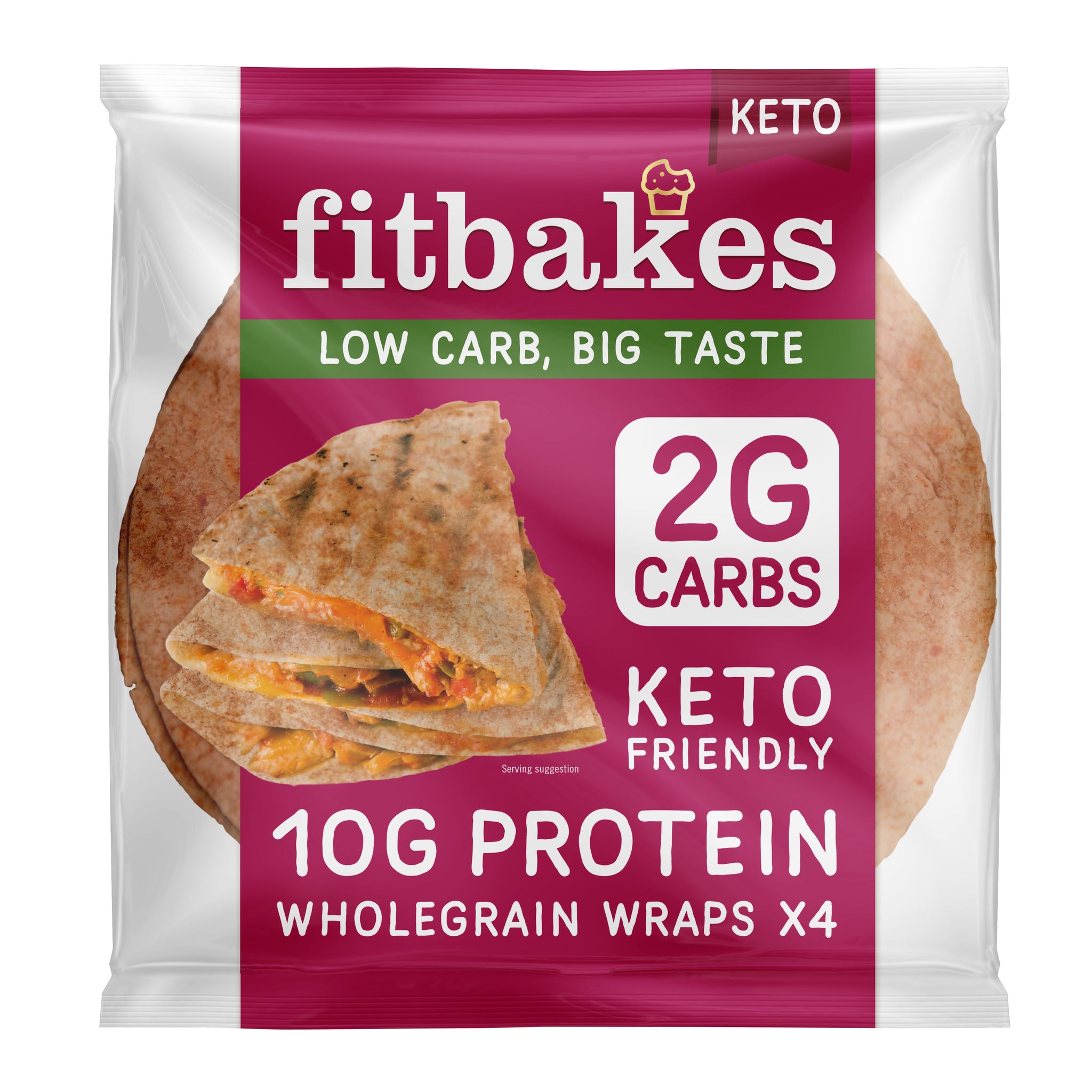
Image credit: fitbakes.co.uk
Comparing Wrap Calories: A Closer Look
A quick search for “calories wrap tortilla” often brings up products with widely different nutritional values. Mission reports approximately 186 calories for a Wholemeal Wrap and around 125 for a Carb Balance wrap, illustrating the variation. These figures come from the manufacturer’s published nutritional information.
That difference illustrates why checking individual products matters. A tortilla’s appearance does not reveal its calorie count: nutritional composition can differ substantially between products. It’s also worth remembering that a lower-carbohydrate product isn’t necessarily the lowest-calorie option.
What Happens When You Change the Wrap?
Imagine preparing your usual lunch with oven-roasted peppers, grilled chicken, salad leaves, and a spoonful of yoghurt dressing. Now replace the conventional tortilla with a lower-carb alternative. The recipe remains familiar, but the nutritional composition can shift.
Fitbakes Wholegrain Wraps are formulated for this approach to familiar meals. Fitbakes lists 2g of carbohydrates, 10g protein, and 10g fibre for each wholegrain wrap.
For people aiming to eat fewer carbohydrates without abandoning bread-based lunches, those reported figures may be useful. For the precise calorie figure, consult the full nutritional information.
Protein and Fibre Have Different Jobs
Protein and fibre are frequently mentioned together on food packaging, but they contribute different things in a balanced diet. Normal tissue maintenance and repair depend in part on protein. Digestive health benefits from fibre, which can also contribute to a feeling of fullness. Because Fitbakes reports 10g protein and 10g fibre in each wrap, both figures deserve attention in a comparison.
Of course, the tortilla itself is only one element of your lunch. Compare a tortilla containing vegetables and an appropriate protein source with one heavy on rich dressings: the nutritional profiles differ.
Tortilla Preparation: A Few Practical Ideas
The way you cook a tortilla may change the meal’s calorie total even if you use exactly the same wrap. A dry pan adds no cooking oil when you toast a tortilla; frying with oil, by contrast, adds calories. For a more developed malty taste, Fitbakes suggests lightly toasting its wholegrain wraps for about 30 seconds.
For a quick meal, try warming the flatbread before adding grilled mushrooms, spinach, and a modest amount of cheese. You could also serve it like a thin flatbread, adding herbs and tomato alongside roasted vegetables. Neither idea demands an elaborate recipe, yet both provide variety.
Look Beyond the Tortilla
As you compare tortillas, you can become focused on the packaging label and miss the bigger picture.
Ingredients such as cheese, sauces, spreads, and cooking oils add to the energy total. For anyone tracking calories, it makes more sense to assess the full lunch than to focus on the wrap alone.
If you’re following a low-carbohydrate diet, check the carbohydrate content of the filling as well. Looking at all the foods used helps you see the nutritional picture more clearly.
Choose a tortilla for Your Everyday Meals
A useful calories wrap tortilla should work with your favourite recipes, suit your nutritional priorities, and be enjoyable enough to use regularly. Fitbakes Wholegrain Wraps provide a plant-based, carb-conscious alternative with manufacturer-reported protein and fibre content.
Before choosing any wrap, compare the entire nutritional panel, ingredients, allergens, and serving size. A single small figure on the packaging cannot establish the best tortilla for your needs. It’s the one that helps you prepare meals that suit your usual preferences.