A significant contract is won by a manufacturer. Although the monthly production requirements have risen, the manufacturing facility isn’t suddenly equipped with more floor space or experienced employees. An increase in production for a short period might be possible, but adding another shift can introduce new demands for labor, training, supervision and quality control.
Such situations highlight an important function of robotic automation. Robotics goes beyond replacing people with machines. The right software can change the way that manufacturers use their capacity to produce.
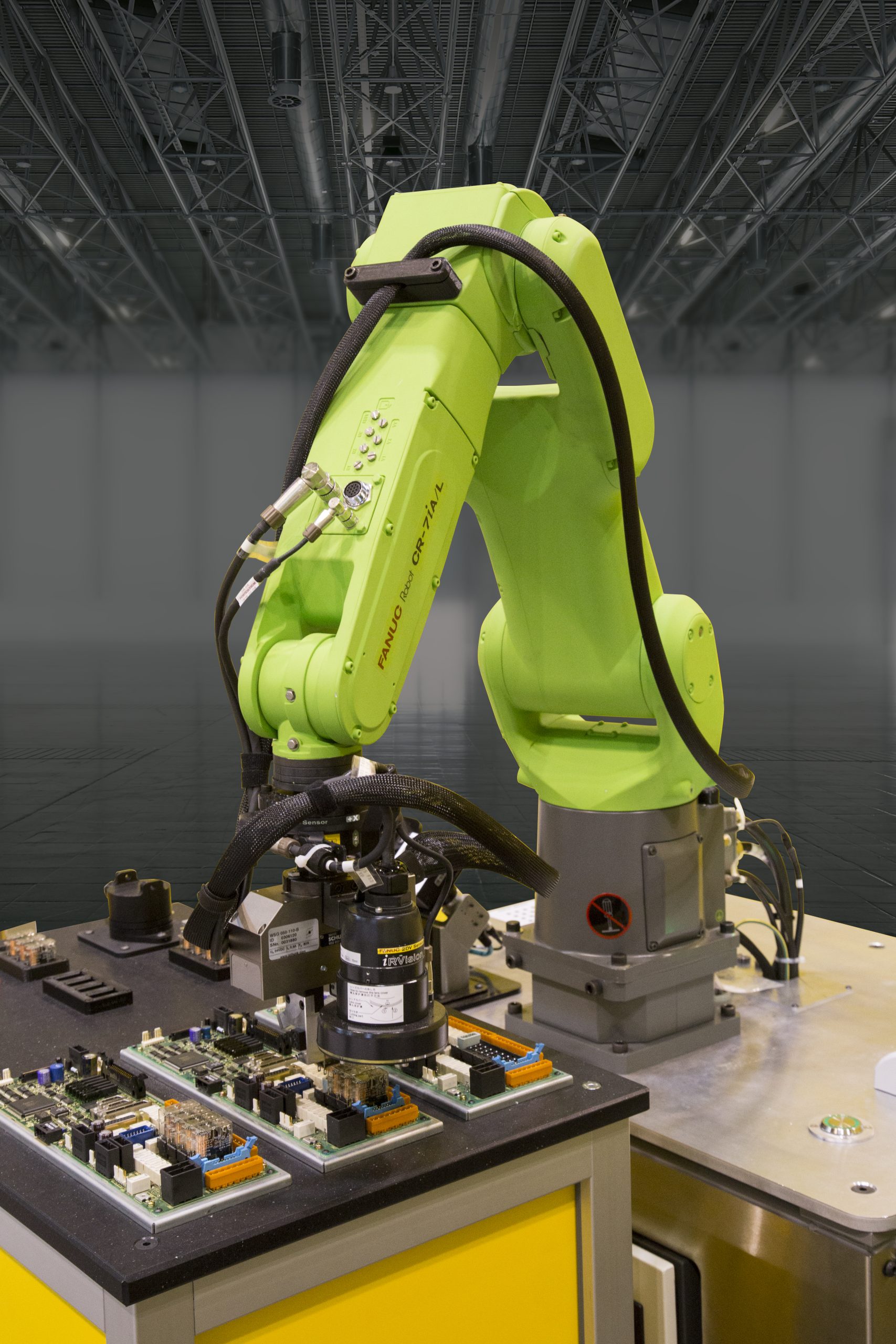
Image credit: automatedsolutions.com.au
Look at the Seconds That Disappear Between Products
Inefficient manufacturing is not always apparent. An operator may spend 15 seconds positioning the component, then 10 seconds applying substances, and then a few seconds more to move it to the next step. For a single component, the difference in time is not significant. Repeated thousands of times these seconds can turn into an enormous amount of production time.
This is also true of wasted material. A small amount of extra coating or dispensing material multiplied in a production run with a high volume could be a substantial expense.
Companies considering robotic automation Australia projects can benefit from examining these small, repeated losses before deciding what equipment they need. AAS’s Needs Analysis aims to uncover bottlenecks as well the quality of work, waste and other process constraints which might affect an automation plan.
A Robot must be able to integrate the Process Around It
Selecting a robot is only one option in the engineering process. The system may also need guarding, tools, controls, sensors conveyors, fixtures electrical integration, and communications with the existing production equipment. Engineers must take into consideration the robot’s reach and payload, as well as how it will interact with its environment and move around.
ASA offers conceptual development, design of systems and offline programming in its approach to robotic automation. Digital simulation lets engineers test configurations and estimate cycles before the system is operating at the customer’s factory floor. It’s especially useful when there’s a finite area or new robotics needs to integrate with the production line.
Dispensing and painting demonstrate why Replicability is Critical.
Certain manufacturing processes demonstrate the importance of controlling movements. Imagine coating hundreds or thousands of parts. It’s not enough to complete each piece in a short time. From the start of production through the conclusion moving, speed and distance must be managed.
ASA has experts who deal with dispensing applications and paint across various industries, including aeronautics, automotive and aerospace. In these environments industrial robotic automation provides predictable, controlled movements. It also reduces employee exposure to physically challenging or potentially dangerous processes.
The elimination of waste and the improvement of productivity can be accomplished through better management.
The System Still Needs People Even After Installation
Automation doesn’t substitute for manufacturing expertise. It transforms the knowledge needed for operating and maintaining the process.
Employees need to be able recognize abnormal behavior and troubleshoot problems, as well as carry out the correct maintenance. Programs and processes can be adjusted later if the production needs are changed.
ASA offers training on site that covers safe operation, programming, troubleshooting, as well as mechanical and electrical maintenance. The company also provides servicing as well as ongoing support to evaluate the condition of equipment and address wear over the system’s operating time.
Capacity goes beyond just working faster
In Australia, increasing production capacity is not always about the addition of workers to repetitive tasks or purchasing larger structures. It’s sometimes more beneficial to inquire about whether the production process can be modified.
ASA has been designing and integrated automation solutions since 2002. It assists manufacturers in Australia, as well as international projects. The approach is a combination of needs analysis along with engineering simulation FANUC integration along with training and servicing.
The objective isn’t automation for the sake of it. A good system will give a manufacturer something measurable in return more dependable production, consistent quality, safer methods, less waste or more capacity from the factory it already operates.